

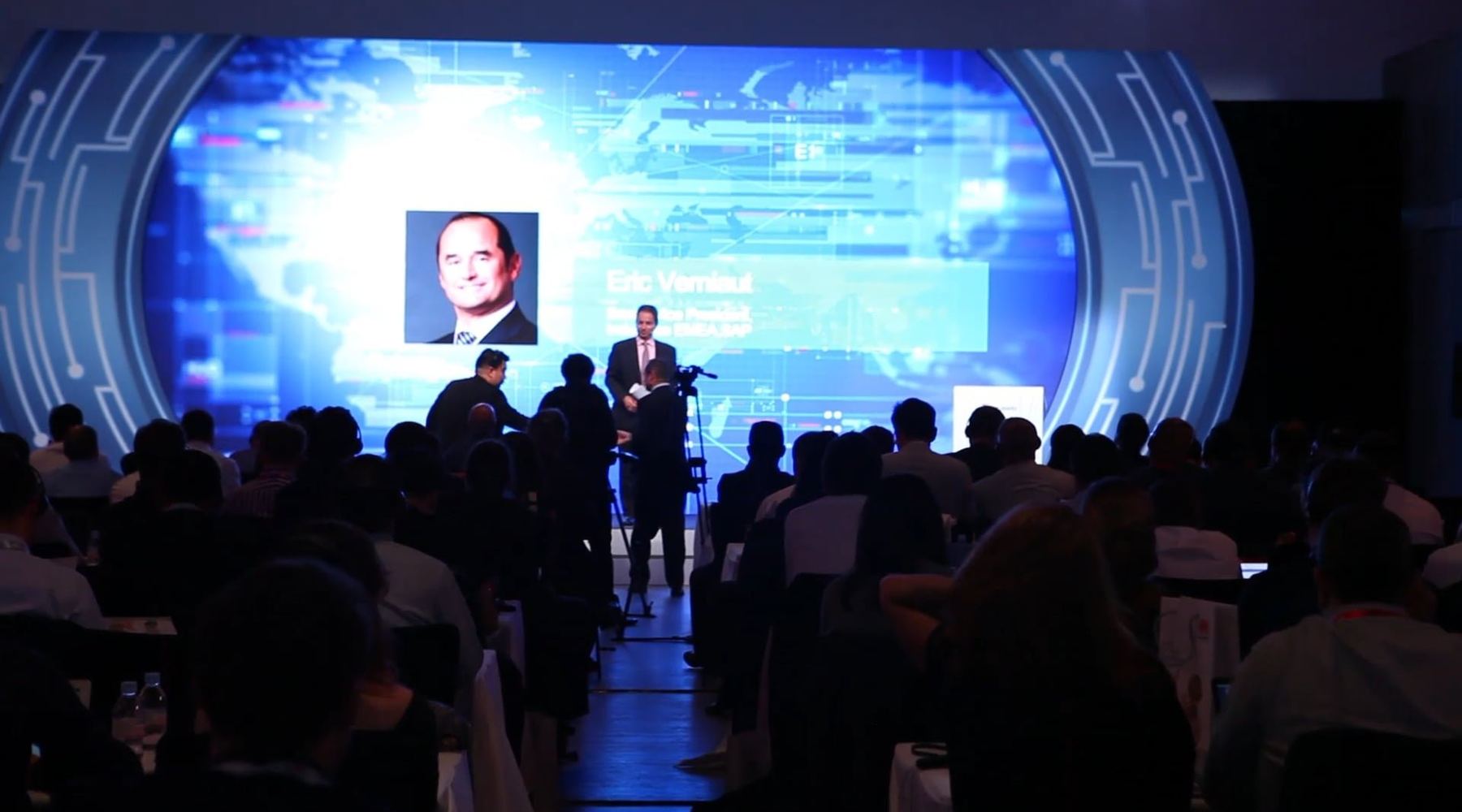
Live streaming & webcasting
Broadcast live, with the production of a real set and the reliability of a control room.
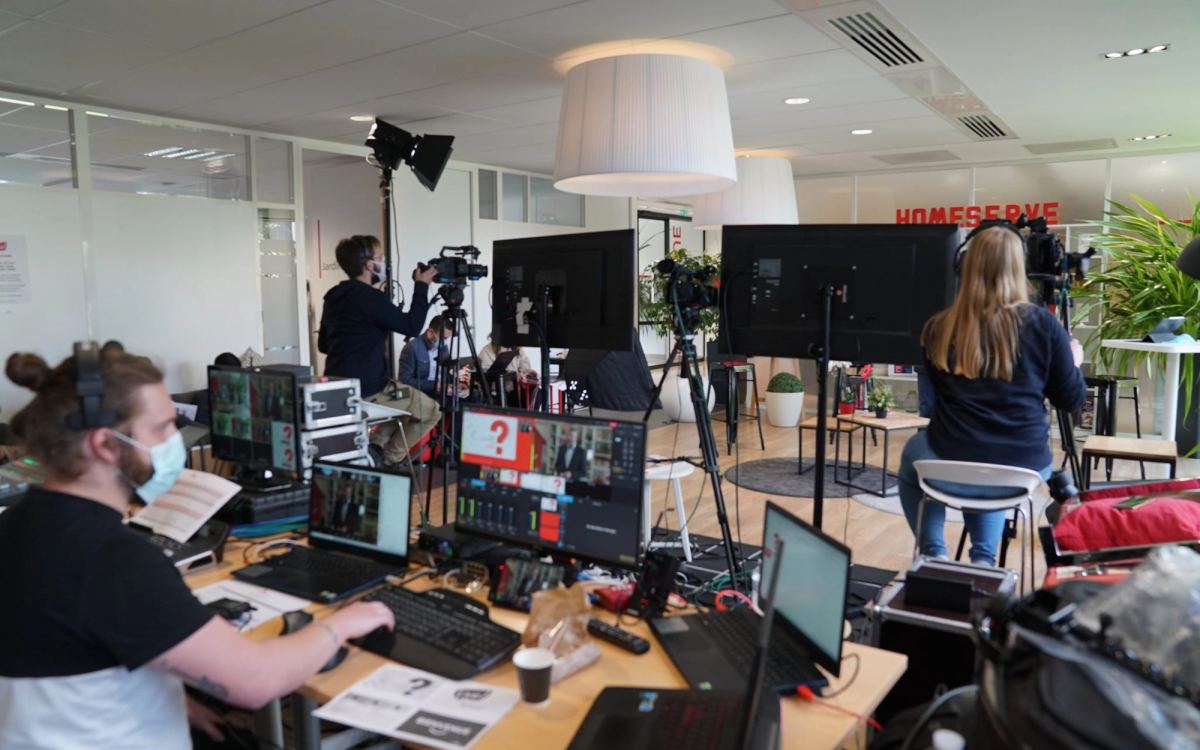
Streaming live isn’t putting a camera in front of a room: it’s directing while you shoot. A control room, several cameras, a switcher, and someone deciding in real time what the remote viewer sees — because there is no fixing it in the edit.
What we broadcast most often:
Conventions and company meetings, shareholder meetings, press conferences, product launches, panel discussions, awards ceremonies, sporting events. The format changes; the constraint never does — it starts on time, and it doesn’t stop.
Web TV: your live broadcasts and your videos in one place
A web TV — a branded broadcast hub — brings your video library and your live streams together on a page carrying your brand: a player in your colors, sections that follow how you are organized, open access or restricted to the people you choose. We assemble it on proven building blocks — hosting, player, access control — so the budget goes into your content and into the reliability of the live show. You keep control of what you publish, and you see what gets watched.
- The broadcast written before the event, not after
- Multi-camera control room, switcher, cut live as it is shot
- Room audio, lower thirds, logos and speaker slides in the frame
- Redundant connection and encoder, local recording running alongside
- Replay published and clips cut for your channels
What makes a remote viewer drop off
An audience in the room is captive; an audience behind a screen closes the tab. What drives them away is almost never picture quality: it’s not being able to read the speaker’s slides, hearing the room PA instead of clean sound, and sitting on a wide shot while something is happening somewhere else.
A hybrid event brings together two audiences watching two different events: the one in the room and the one at home. The second needs tighter shots, clean sound and shorter dead time. That is why we write the broadcast before the event rather than after: what gets filmed, for whom, and on which channels.
What we set up, and what it takes on your side
A control room, several cameras and a switcher: the live show is cut while it is being shot. To that we add room mics, a feed from the PA, lower thirds and logo overlays, and the speaker’s slides returned into the frame.
We then double everything that can fail — the connection, the encoder — and a local recording runs alongside the stream, because a missed shot can be fixed in the edit whereas ten seconds of dead air is seen by everyone.
From you we need very little, but none of it improvises on the morning itself: access to the room early enough to cable, a dedicated network drop or permission to use ours, and one person who knows the run of show and can make a call during the broadcast.
What is left afterwards
Once the live show ends, the local recording becomes the master, at higher quality than what went out. We publish it for replay, and we cut from it the clips that will go on to serve your channels, your emails or your site.
Your event goes on existing for the people who weren’t there.
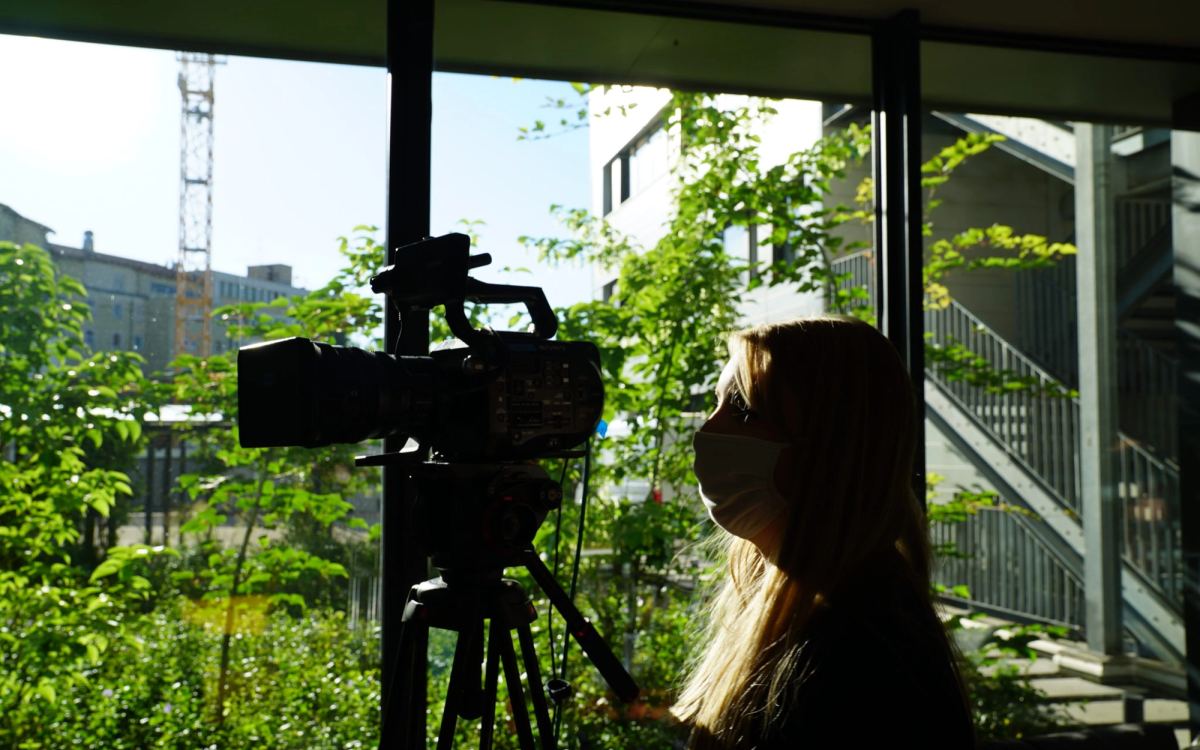
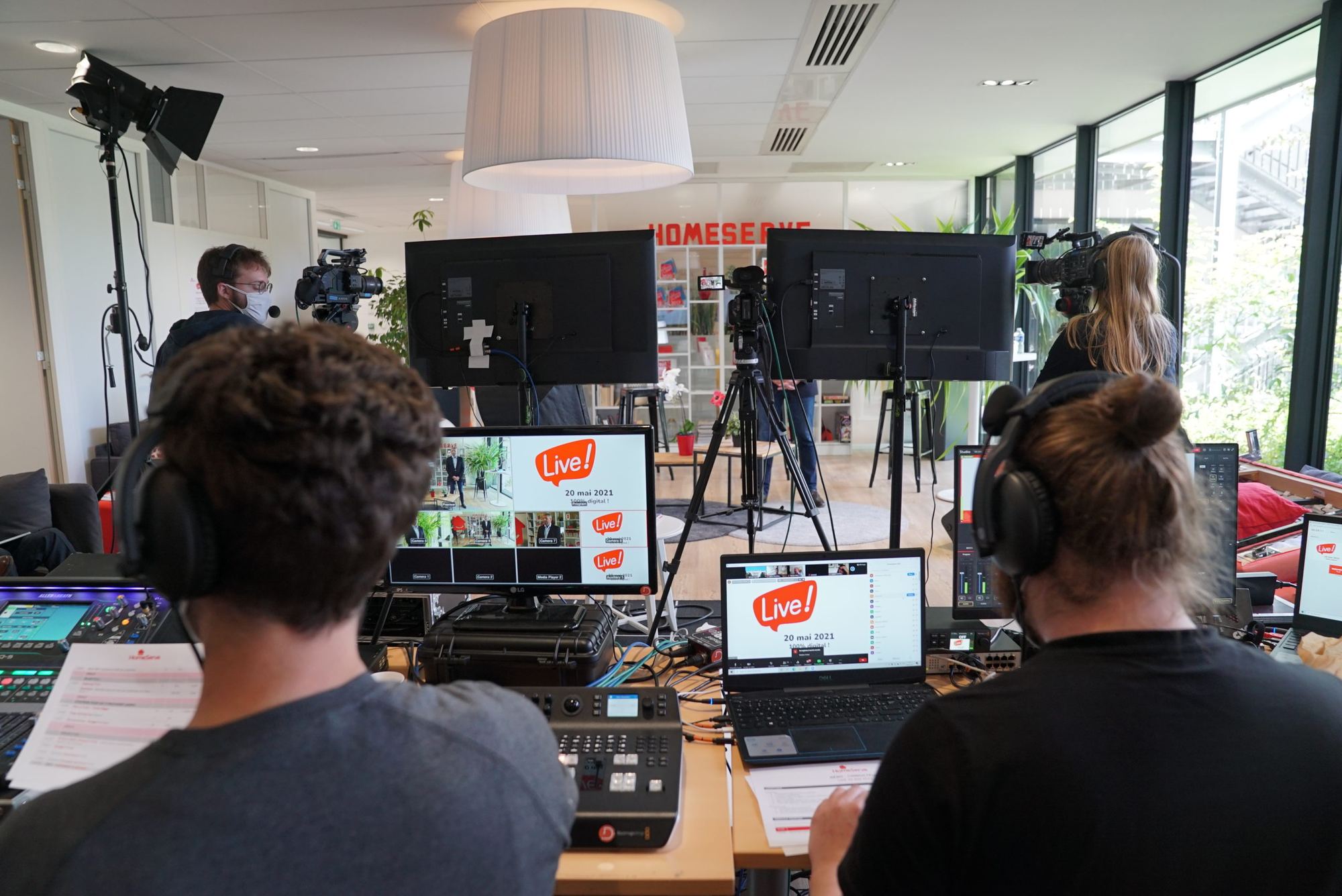
The live show is cut while it is being shot
No fixing it in the edit: the control room decides in real time, and everything that can fail is doubled — the connection, the encoder, the recording.
Five situations where live changes everything
Broadcasting a conference to the people who couldn’t come
The second audience needs tighter shots, clean sound and shorter dead time. What you send them is not the room’s own recording.
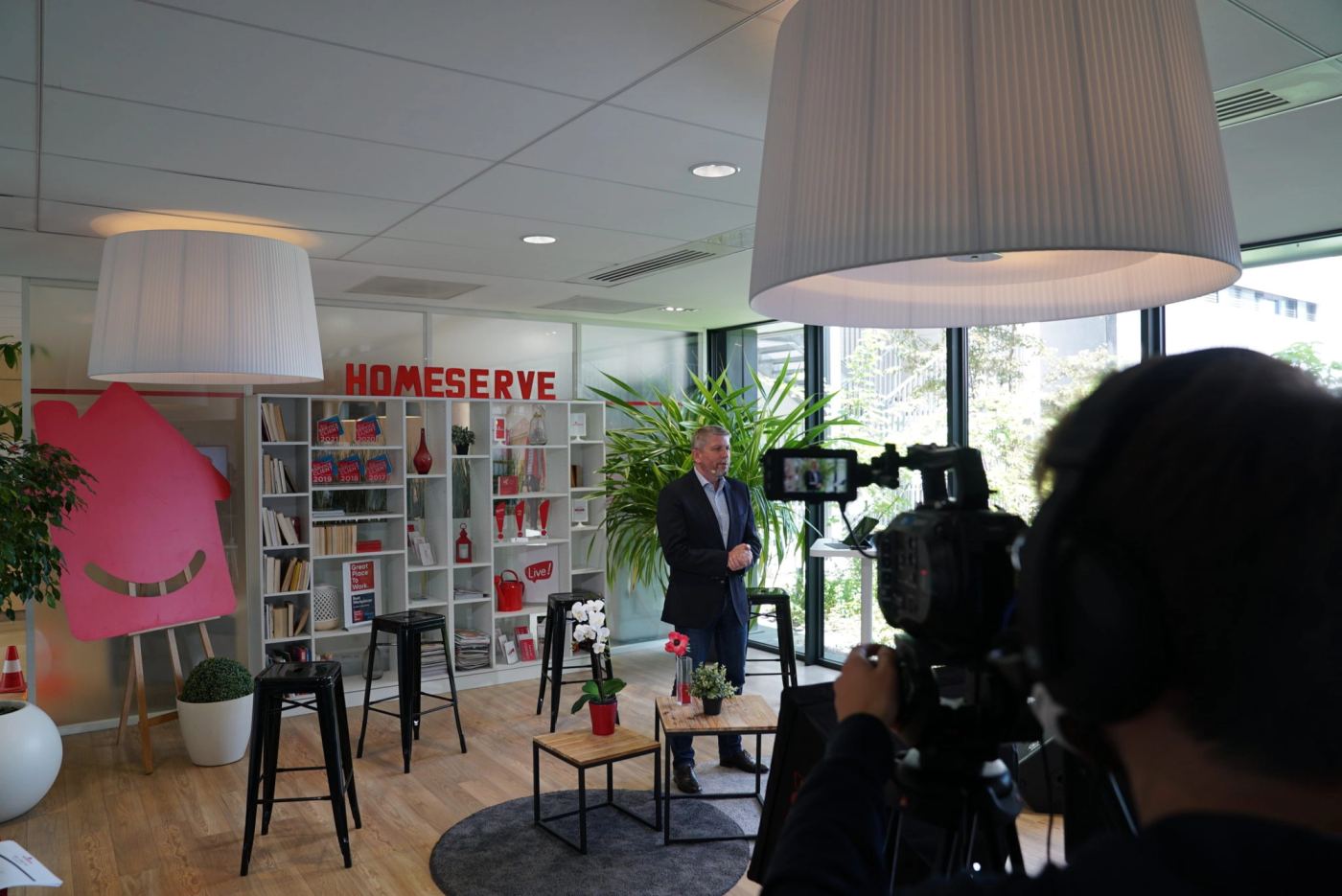
HomeServe — 20 yearsCovering a convention while it is happening
Two days cut on the fly and released during the event rather than three weeks later, when nobody is thinking about it any more.
Convention HuaweiRunning a web TV across several shows
A set that comes back, graphics that stay, a crew that knows the run of show: the series costs less than the sum of the individual broadcasts.
GETLIVE TVServing two audiences at once
The room and the living room are not watching the same event. That is why the broadcast is written beforehand, and not after.
Live streaming & web TVGetting the replay and the clips out of the live show
The local recording becomes the master, at higher quality than what went out. The event goes on existing for the people who weren’t there.
Koesio Convention 2024Ce qu’on nous demande le plus souvent
Do you need a dedicated internet connection to broadcast live?
It is the most comfortable option, but it is not essential. We broadcast over the venue’s connection when it is good enough and we have been able to test it in advance, with our own link on standby. On sites where the network is uncertain, we go straight to our own links, bonded or by satellite.
How many cameras does a live stream need?
Two are enough for a conference: a wide shot and a tight shot on the speaker. From three, you can follow a panel without dead time and pick up reactions from the room. Beyond that, the run of show decides the number, not the other way around.
Can you broadcast privately, to a chosen audience?
Yes. Depending on the level required, that ranges from an unlisted link to a password-protected page, or one restricted to a list of addresses. We raise it early, because the access control you choose determines the streaming platform.
Can a live broadcast run in several languages?
Yes. The simultaneous interpretation feed is taken in the gallery and sent on its own channel, so viewers pick their language without us duplicating the broadcast. It is prepared with the interpreting team, not on the morning itself.
What we have produced in this field


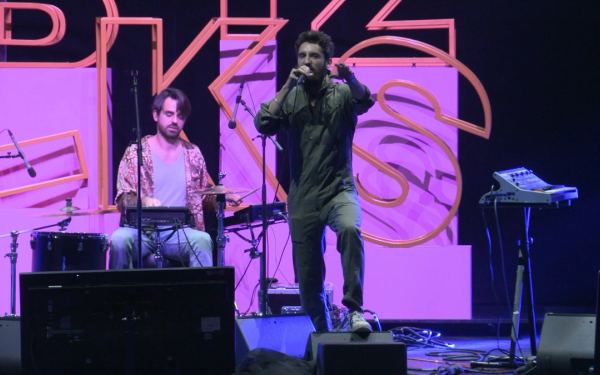
The other services in events
Project onto a building, an object or a set, and turn its surface into a screen.
Go live, with a set built for it and the reliability of a proper control room.
Film your event, and come away with enough to keep talking until the next one.
A project in live streaming & webcasting?
Let’s talk about your objectives before we talk about format.