

Corporate video & brand films
The film that says who you are — to your customers, your candidates, your own teams.
A corporate film is judged not on what it shows but on what it gets: convincing a customer who is hesitating, reassuring an investor, making a candidate want the job, or getting teams to agree on what they actually do. Those four films look nothing alike, and it is the first question we ask you.
Only then come the means: how many shooting days, who speaks, what gets filmed on site and what gets built in animation. A film that has answered the first question survives a small budget; the reverse isn’t true.
Everything is made here — writing, shooting, sound recording, editing, color grading, motion graphics, subtitles. Nothing waits on an outside supplier, which is what stretches out correction times: that is how we guarantee you the fastest turnaround.
Since 2004, in Lyon, Paris and Geneva, more than 2,000 projects have gone through those same stages.
- Framing the objectives and the audience
- Writing and interviews
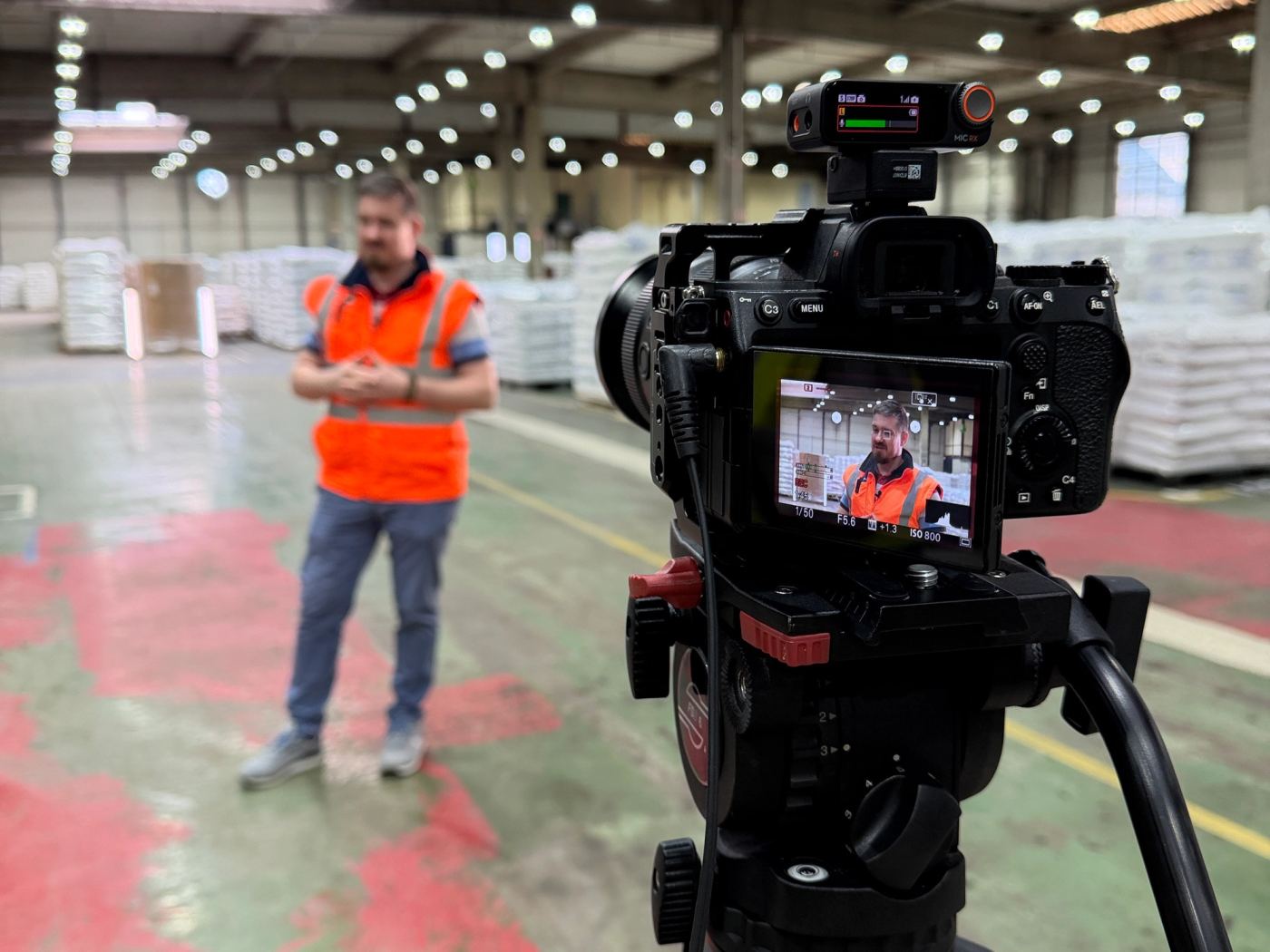
- Shooting on your sites
- Editing, graphics, subtitles
- Short-form cutdowns
A corporate film starts with a decision, not with a shoot
For Carso, the film began with a decision rather than a shoot: knowing what it had to produce — convince a customer, reassure an investor, recruit, or get teams aligned.
We also look at your existing communications and how they performed, to decide whether this film should sit inside a set or deliberately stand apart from it.
What we control from end to end
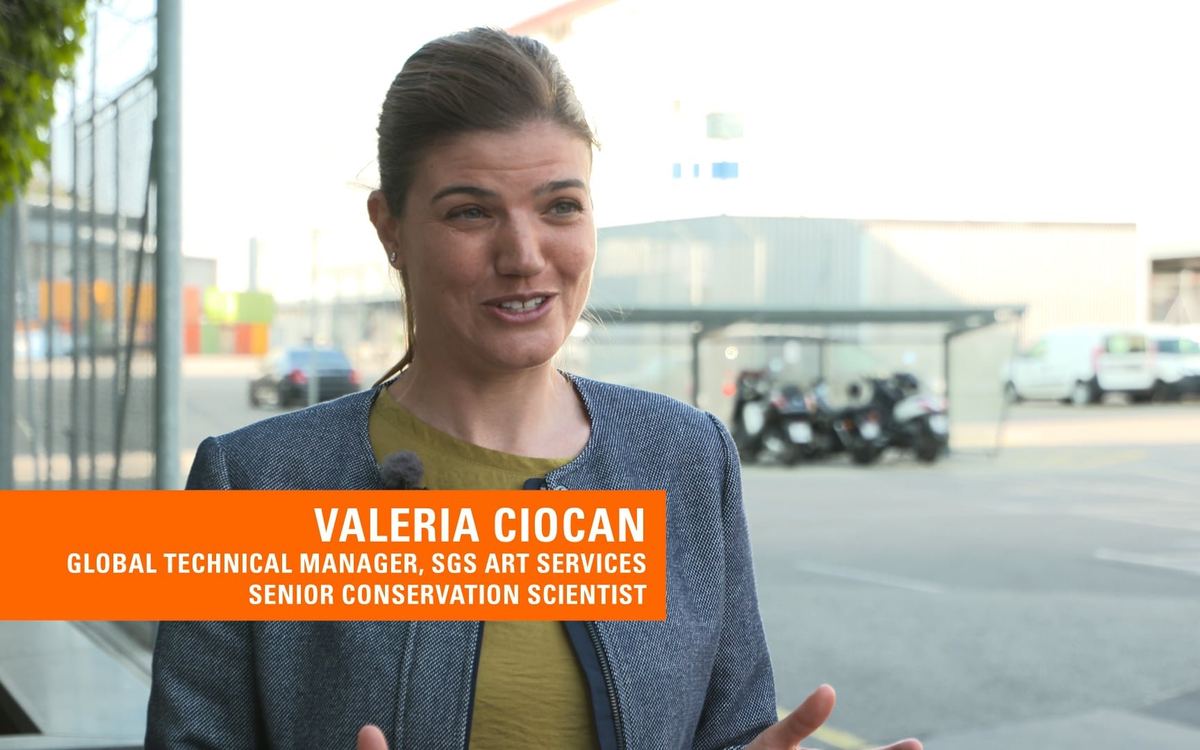
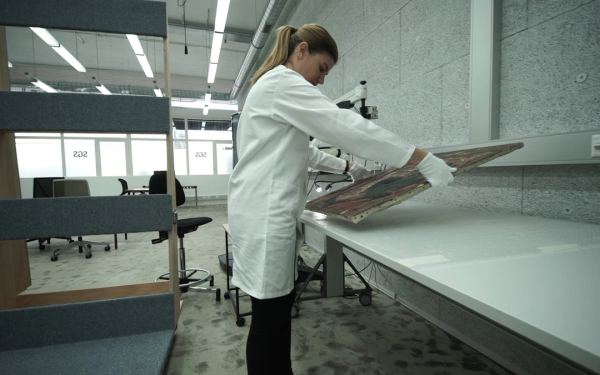
For SGS, the report at the Protection Lab was shot, edited, graded and subtitled here: writing, shooting, sound, editing, motion graphics and publishing — every stage happens under our responsibility.
On revisions, the rule is written into our proposals: no rigid limit and no unlimited package, on the understanding that common sense applies. Two or three review rounds are enough when the storyboard has been properly signed off.
What you receive, beyond the film
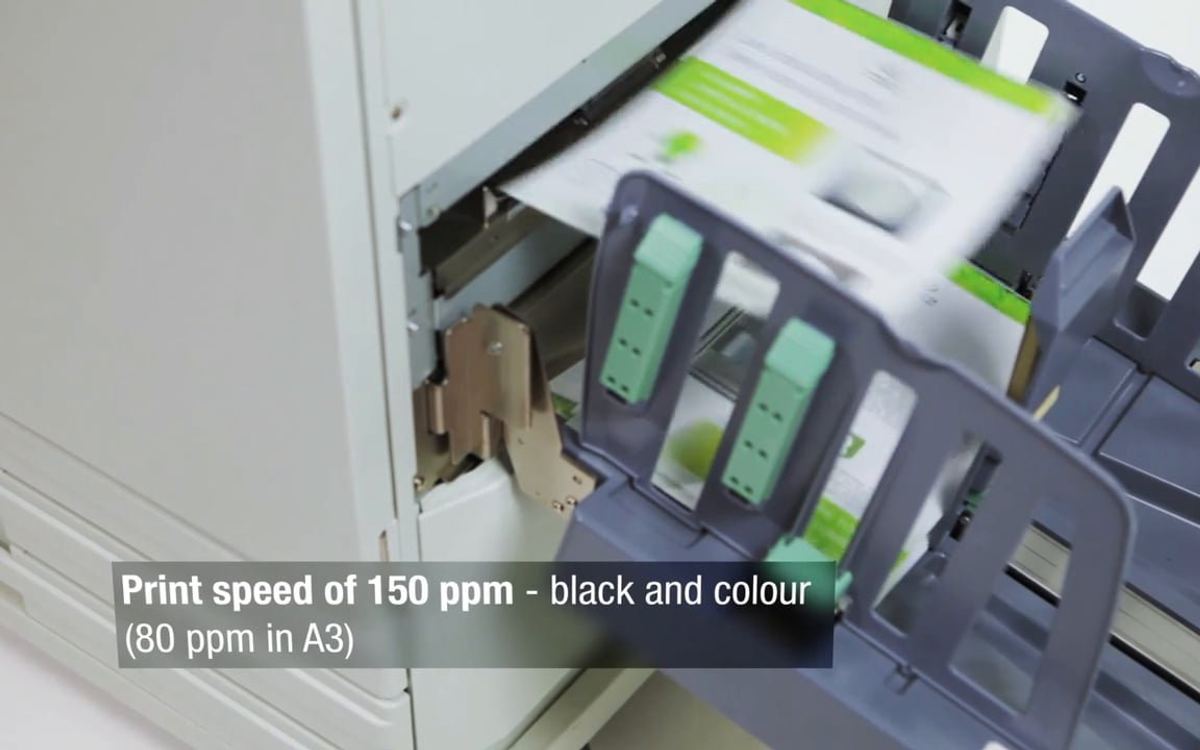
For Riso, the Comcolor product video was delivered with its short cutdowns, its subtitled versions and the files in the format of each destination — site, trade show screen, social media.
The footage we shoot often outlives the project: it feeds your publications for months afterwards, with no new shoot.
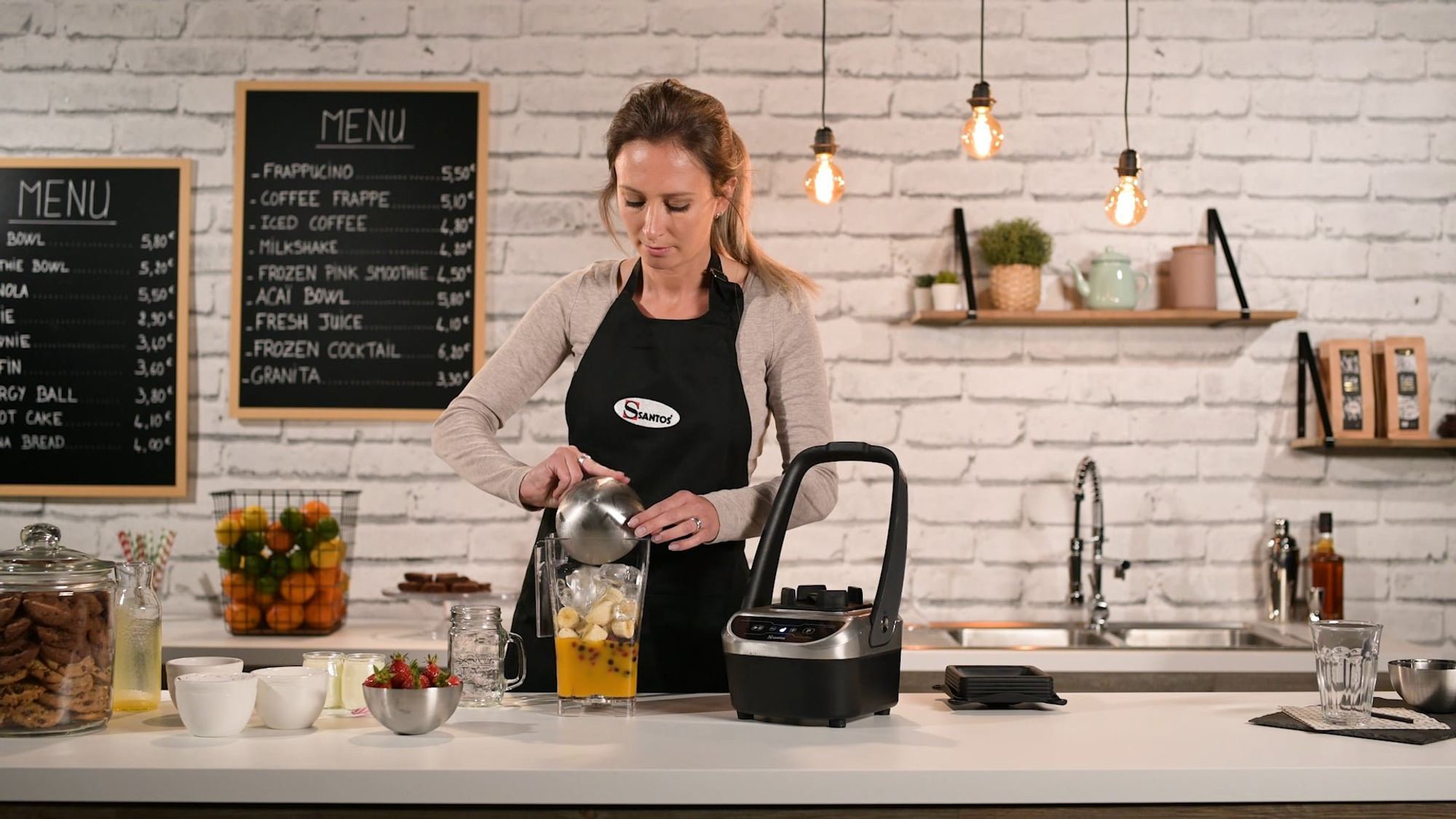
Everything is made here, from the brief to publication
Writing, shooting, sound, editing, color grading, subtitles: every stage is decided in the same room, and nothing waits on an outside supplier.
Six situations where a company needs to show itself
Introducing the company to a new customer
The film you send before the meeting, so you don’t explain the same thing twice.
Verizon ConnectLetting the people who do the work speak
A director convinces, an operator proves. The two don’t say the same thing, and neither replaces the other.
Dromis — EQUANS & INEOCovering a move or an opening
A place that is changing tells itself before, during and after. Filmed later, all that is left is the after.
HDI — the new towerShowing a build that runs for months
Construction changes too slowly to be filmed. Time-lapse compresses the duration and makes visible what nobody has time to watch.
Time lapse — La CLEDAGiving field expertise its due
What happens on the site, in the workshop, out on the trail — where a company is credible because it is at work.
PNR VercorsTelling a company’s history
An anniversary is won in the archives and in the memory of the people who were there — not in today’s production values.
LPA — 50 yearsCe qu’on nous demande le plus souvent
How much does a corporate film cost?
The budget depends above all on the number of shooting days, the number of locations and how much animation is involved. We cost the concept at design stage, so you know what you are committing your budget to before putting it up for internal approval.
Do you need to use actors?
Not as a rule. Your own people on camera are often more convincing than an actor, provided they are prepared — we build in coaching time before the shoot, and it changes everything about the result.
How long does production take?
Allow eight to twelve weeks for a full corporate film, three to four of them for writing and preparation. An event date is secured by working the calendar backwards from it, never forwards from today.
Can you deliver the film in several languages?
Yes, and it is a question to raise before the shoot rather than after. The versions are prepared in the framing: we leave room for the longest text, we shoot the text-bearing shots without burnt-in captions, and the voice-over is re-recorded without reopening the edit. A film approved in one language and translated afterwards costs one edit per language.
What we have produced in this field
The other services in communication & marketing
Show what no camera can film: the inside, the invisible, the not-yet-built.
Make the complicated legible, in seconds.
Key, composite, and place your speakers wherever you want them.
Get height, legally, city centers included.
The film that says who you are — to your clients, your candidates, your teams.
A project in corporate video & brand films?
Let’s talk about your objectives before we talk about format.