

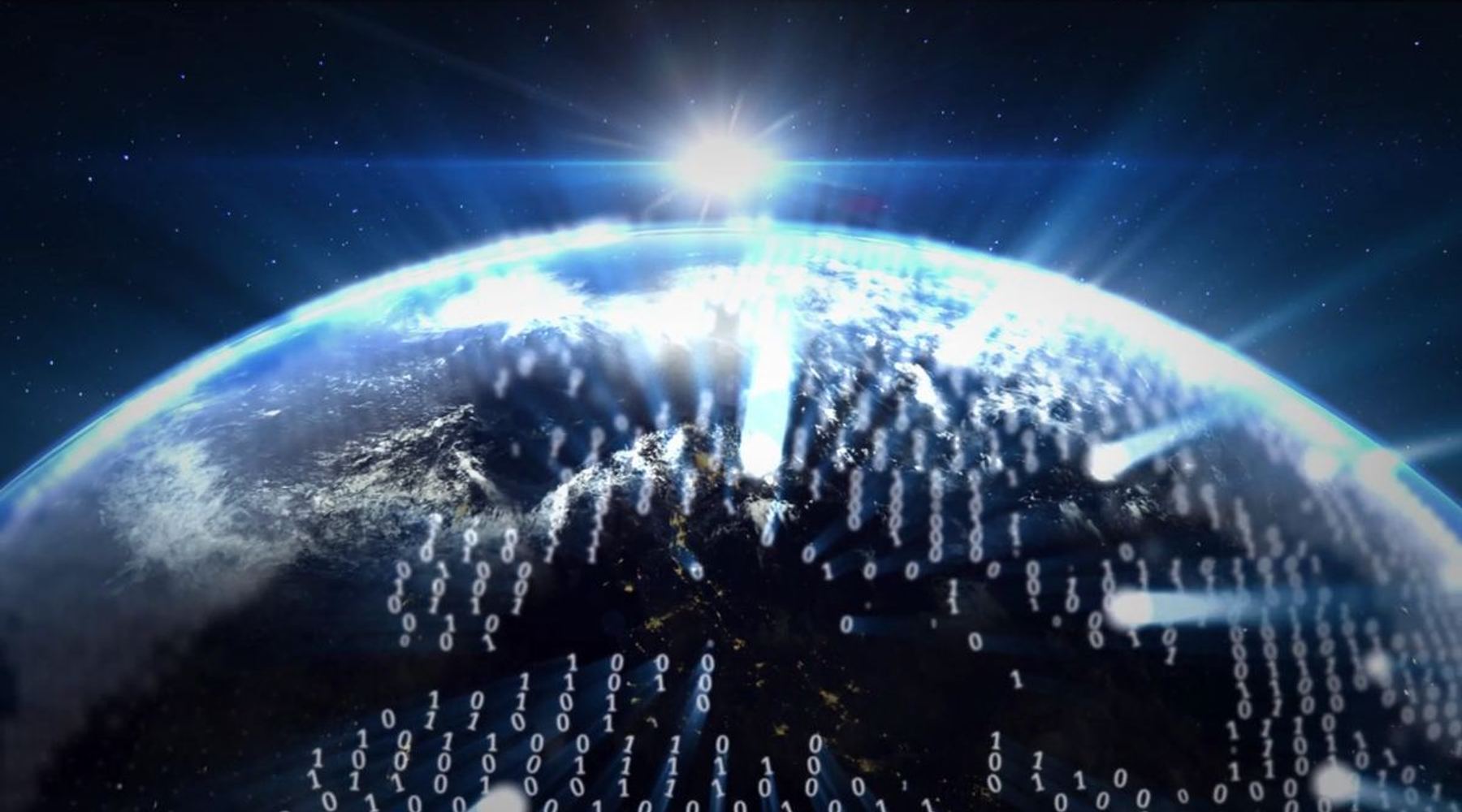
3D animation
Show what no camera can film: the inside, the invisible, the not-yet-built.
A 3D animation studio for every stage of making a film. From modeling through to photorealistic or cartoon rendering, by way of animation, texturing and lighting: Bluevista has the full production chain, with or without integration into a real environment, in Paris, Lyon or Geneva.
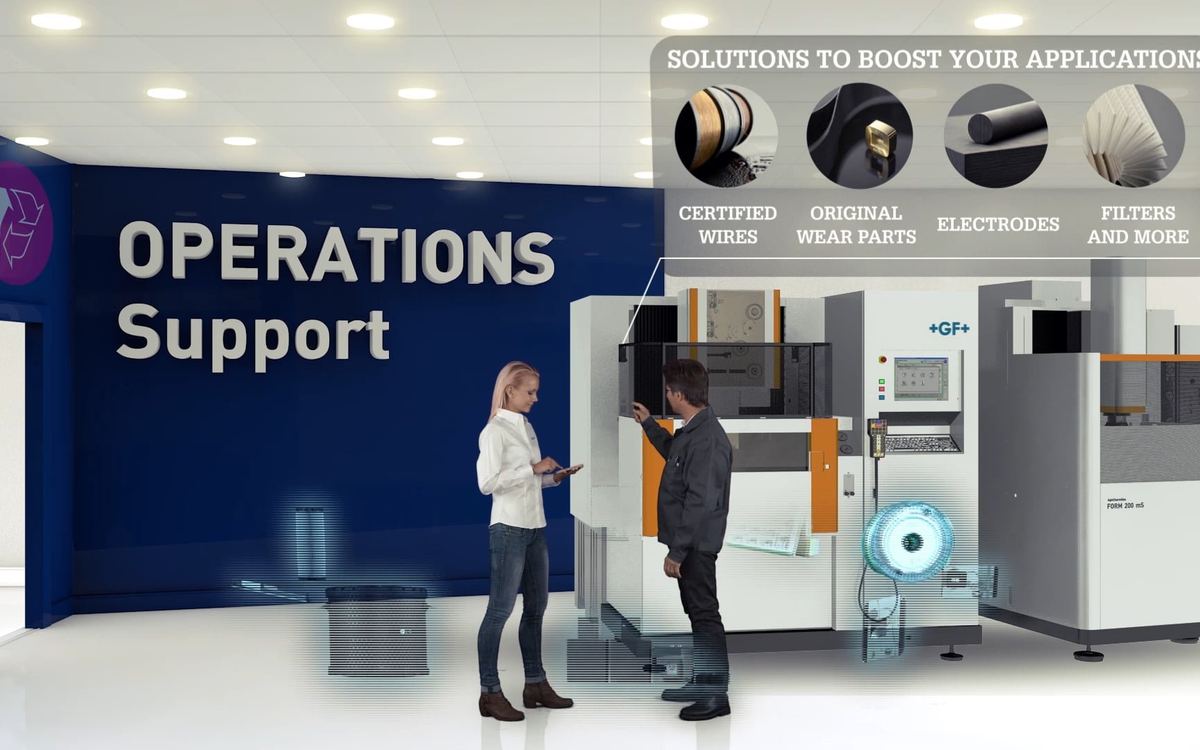
For GF Machining Solutions, we produced a complete 3D film presenting the DS Family, from storyboard to delivery. With live action, compositing and 2D animation added in, the film carried the quality and precision of the range.
For ABB, we produced a 3D film with animated characters, presenting the components of their industrial circuit breakers with humor. Our studio matched our actors’ voices to the characters’ lip movements.
Since it was founded in 2004, our studio has always leaned towards new technology, and 3D in particular. It started with 3DS Max, Maya and Cinema 4D — back when you needed patience and worked in wireframe.
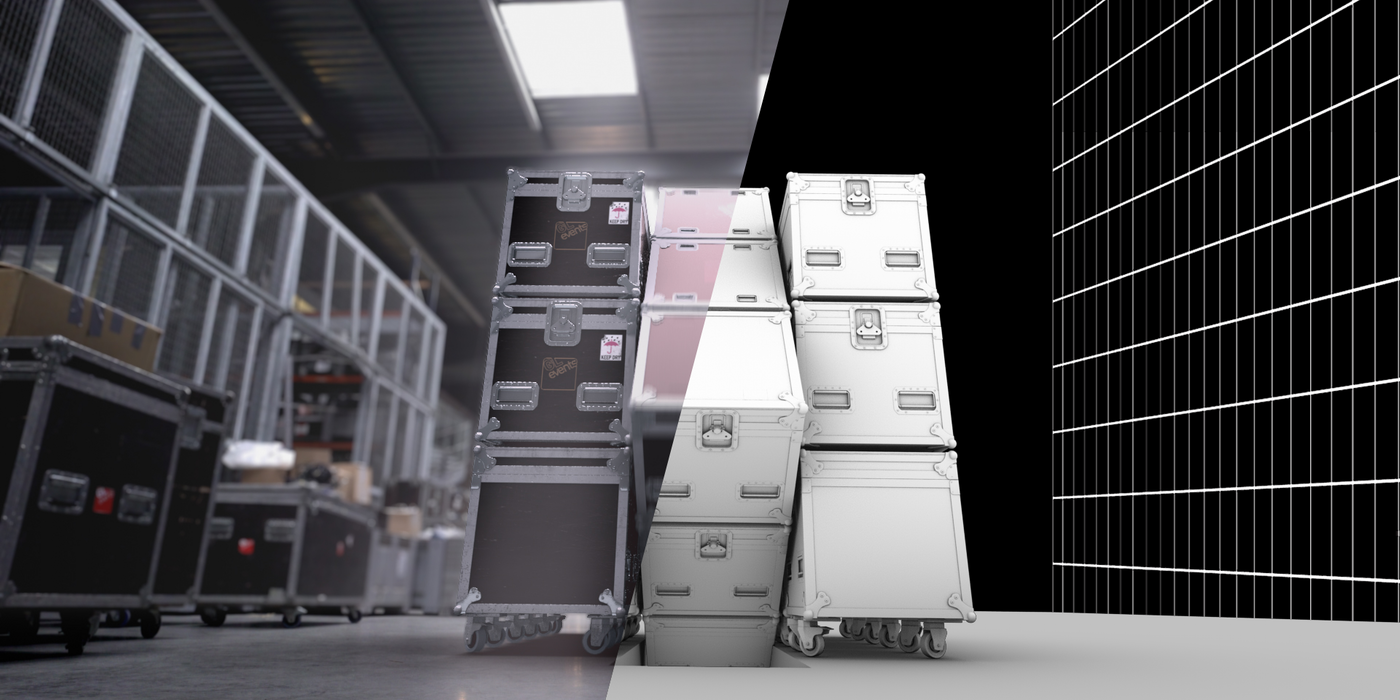
- Modeling from your drawings or CAD files
- Animation and rendering
- Cutaways and technical exploded views
- Integration into live action
- Still images derived from the same model
What we have already built
For GF Machining Solutions, we produced a range film mixing live action and animation: the machine screens were replaced and the technical readouts follow the camera moves, which makes it possible to show a legible interface where the live shot gave nothing but a reflection.
We also make films for ourselves: a member of the team is shot on green screen, then composited into a fully modeled set. These tests let us try an idea at our own expense, before putting it to a client.
Three cases where 3D animation is the only answer
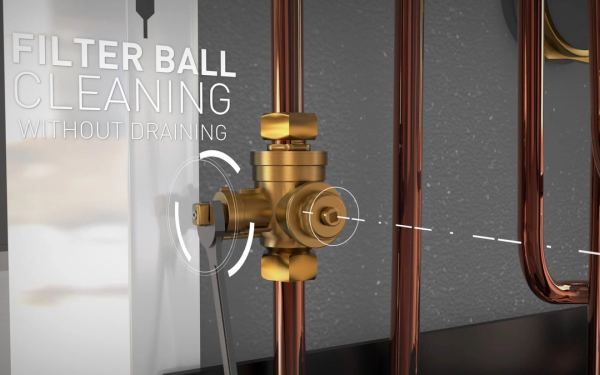
The product that can’t be filmed: too large for a stage, too small for a lens, not built yet, or only visible once the housing is open. A 3D animation shows the inside of a machine without taking it apart.
The technical gesture: an assembly procedure, a maintenance operation, a safety protocol. 3D isolates the movement that matters and removes everything distracting around it.
What has no image at all: a data flow, a physical principle, a software architecture. There is nothing to film — the image has to be built.
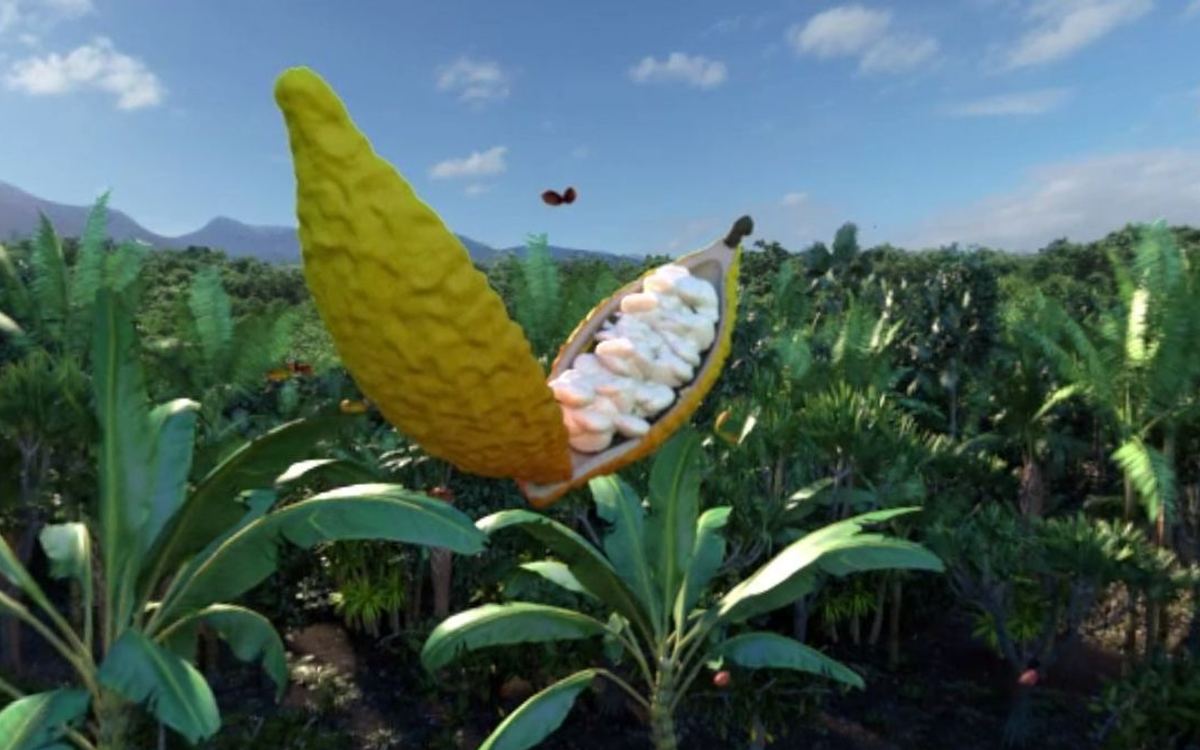
Photorealistic or stylised: a choice, not a constraint
Photorealism takes render time and precision in the model. It earns its place when the image has to stand comparison with a photograph of the real product: a catalog, a product page, a trade show booth.
A stylised render costs less, reads faster and often works better for internal communication or on social media, where you have three seconds to be understood. That question gets settled at the start of the project, with you, and not at delivery.
From the design file to the finished image
When your engineering teams work in CAD, we start from their files rather than remodelling: the dimensions are right, the versions follow yours, and the film stays accurate as the product changes.
The rest of the chain happens here — texturing, lighting, animation, rendering and color grading — in Blender, Cinema 4D and Unreal Engine depending on what the project calls for.
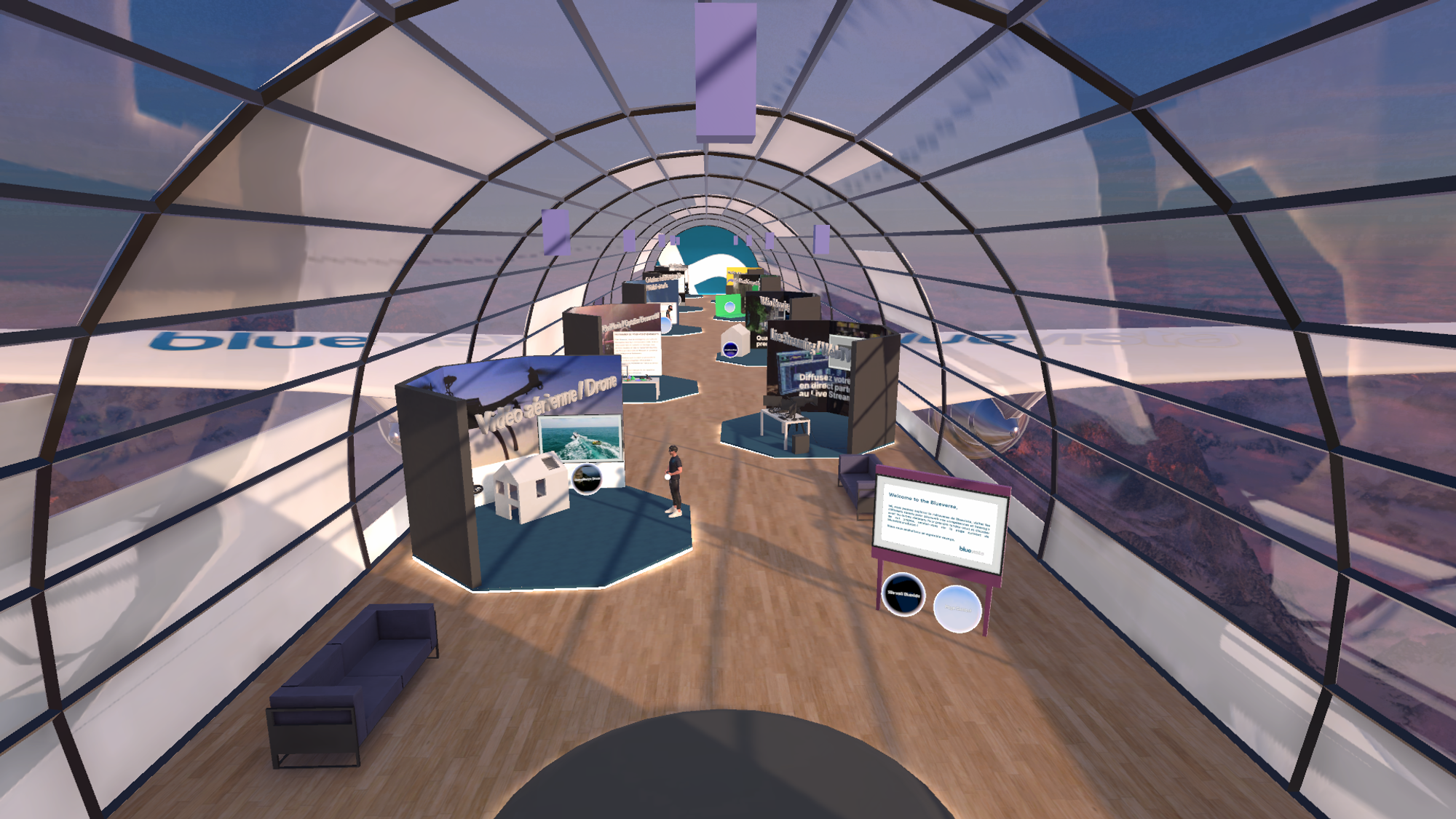
A place that exists only because we modeled it
No set to rent, no building to work around. 3D builds the space, the light and the materials — then makes them exist from any angle.
Six situations a camera cannot reach
Showing the inside of a machine
What no camera can frame: the cutaway, the flow, the part moving inside its housing.
Hitachi YutakiPresenting a product that doesn’t exist yet
The film is ready before the first unit is. That is what lets you announce a launch instead of following it.
ABB SNK — IndustrieFilming a product that can’t be filmed in use
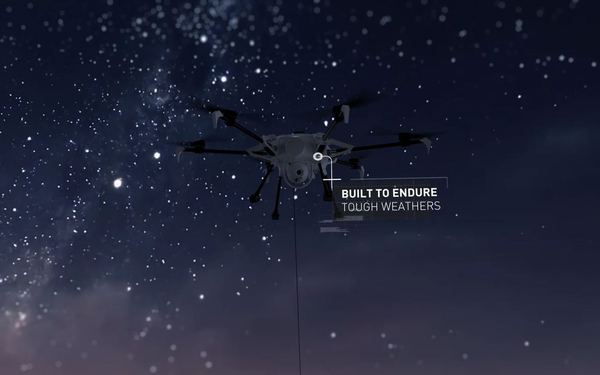
A tethered drone on a mission can’t be shot: permits, weather, scale, and the tether goes invisible as soon as you pull back. 3D shows it deployed, with its ground station and its link.
Elistair — Drone OrionPutting an industrial product into a fiction
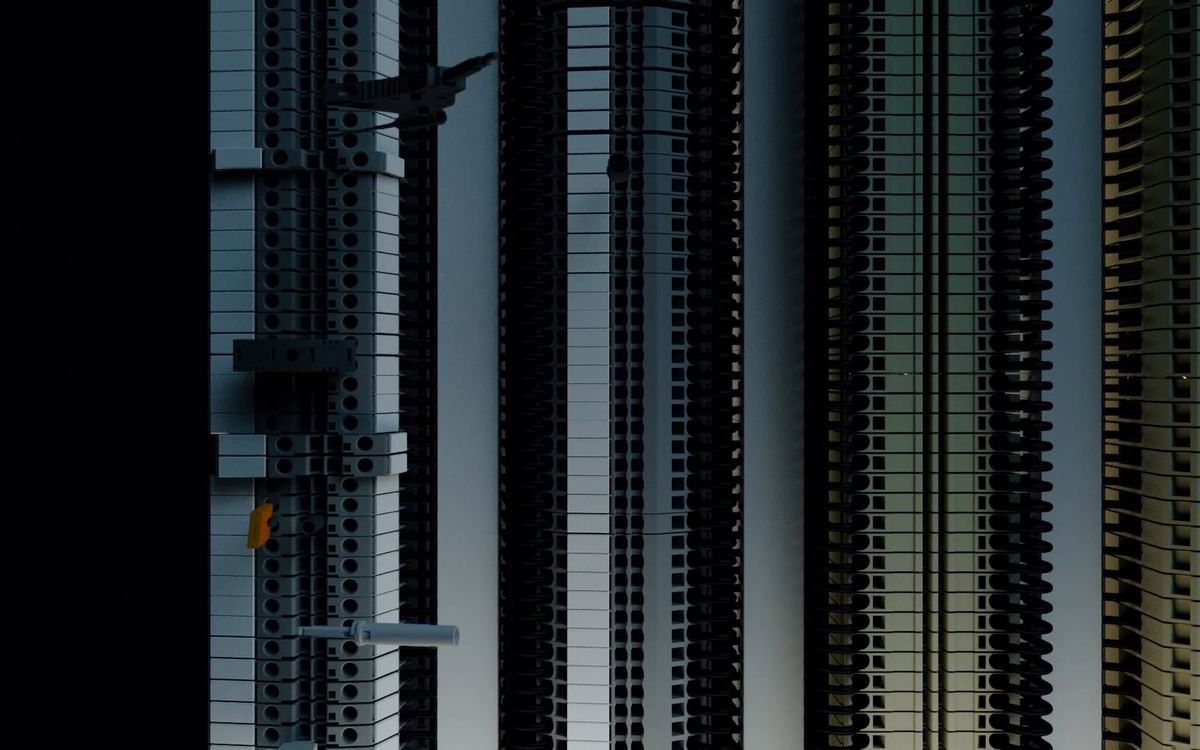
A terminal block is a gray box. Placed in 3D inside a ship’s engine room, it becomes a scene — and the use is understood without a manual.
ABB SNK — “Marine”Making a refurbishment project legible
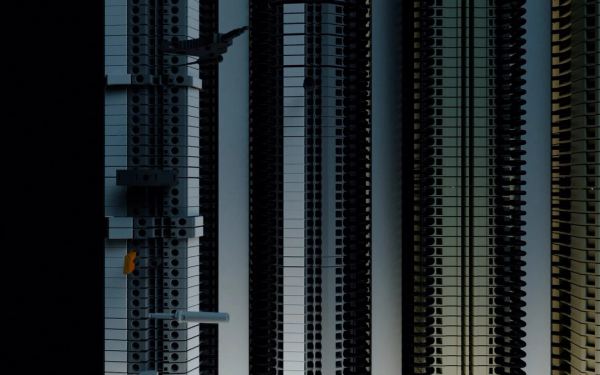
The stages overlap, the important part is hidden, and the result doesn’t exist yet. 3D shows the order of operations and the finished state.
Grande Arche de la DéfensePublishing a product from every angle
A 3D render turns into a photograph, a social loop or a trade show visual, with no new shoot and no new quote.
GFMS — We See BigCe qu’on nous demande le plus souvent
Can you mix live action and 3D animation?
It is the most common case, and often the most effective: you film what exists and build what can’t be seen — the inside of a machine, a flow, an interface. The match is prepared during the shoot, with markers placed on set.
Can you work from our CAD files?
Yes, and it is the best way in when they exist: we take the product’s exact geometry instead of rebuilding it, which guarantees the proportions and shortens production. STEP and IGES formats, and SolidWorks or CATIA exports, are handled without difficulty.
How long does a 3D animated film take?
For one to two minutes, allow six to ten weeks depending on the complexity of the model and the level of rendering. The storyboard and the animatic take the first third: that is where decisions cost the least.
Can the imagery be reused for something other than the film?
Yes, and it is often what makes 3D pay. Once the product is modeled, it serves catalog visuals, exploded views in a manual, trade show imagery and social media versions, with no new shoot.
What we have produced in this field
The other services in communication & marketing
Show what no camera can film: the inside, the invisible, the not-yet-built.
Make the complicated legible, in seconds.
Key, composite, and place your speakers wherever you want them.
Get height, legally, city centers included.
The film that says who you are — to your clients, your candidates, your teams.
A project in 3d animation?
Let’s talk about your objectives before we talk about format.